Introduction: Why Hoi An Is Vietnam’s Culinary Capital
If you’re wondering what to eat in Hoi An, you’ve come to exactly the right place. Hoi An is widely regarded as one of the greatest food destinations in Southeast Asia — a UNESCO World Heritage town where centuries of Vietnamese, Chinese, Japanese, and French culinary traditions have blended into something truly extraordinary. From steaming bowls of noodles served in ancient shophouses to fresh seafood grilled on open charcoal fires beside the Thu Bon River, every meal here tells a story. This complete food guide covers the essential local dishes, the best restaurants in Hoi An, where to find great coffee, how to navigate street food safely, and what to budget for your meals. Whether you’re a first-time visitor or a returning foodie, Hoi An’s dining scene will leave a lasting impression.
Must-Try Vietnamese Dishes in Hoi An
Hoi An’s food identity is deeply rooted in Quang Nam specialties — dishes that evolved in this central Vietnamese region and are rarely found in the same form anywhere else in the country. Before you explore restaurants and cafes, familiarise yourself with these essential Hoi An local dishes.
Cao Lau
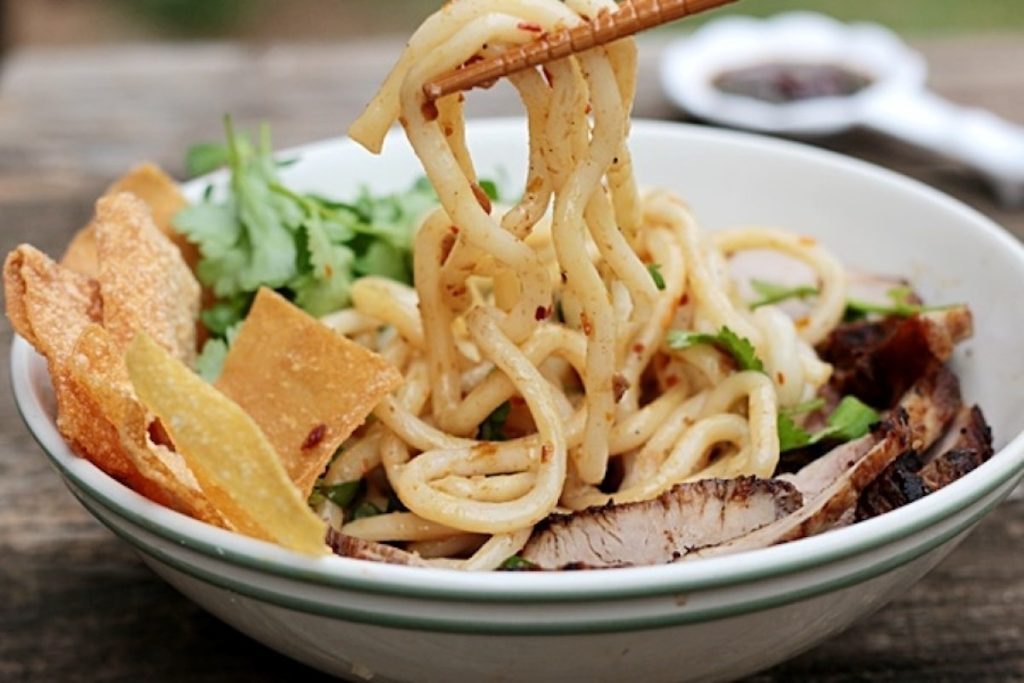
Cao Lau is the undisputed king of Vietnamese food in Hoi An. This iconic dish features thick, chewy rice noodles made with water drawn specifically from local Ba Le Well, topped with slices of char-grilled pork, fresh bean sprouts, leafy herbs, and crunchy rice crackers. The broth is minimal but intensely flavoured, making each bite a balance of textures and aromas. Authentically, only a handful of families in Hoi An still prepare the noodles using the traditional lye-water soaking method, which gives them their distinctive yellow hue and firm bite. You can find Cao Lau at local street stalls from as early as 6 AM, and it is equally popular as a lunch staple.
White Rose Dumplings (Banh Vac)
Banh Vac — known to tourists as White Rose Dumplings — are delicate, translucent rice-paper parcels shaped like blooming flowers and filled with seasoned shrimp or pork. They are steamed to a silky finish, then garnished with crispy shallots and served with a light dipping sauce. The recipe is famously guarded by a single family in Hoi An who supplies the dumplings to many restaurants in the Ancient Town. Their elegance makes them a popular starter, and they pair beautifully with a cold Vietnamese beer or a glass of local rice wine.
Mi Quang
Mi Quang is a wider, flatter noodle dish that originates from the broader Quang Nam province. It is served with very little broth — just enough to coat the noodles — along with toppings that typically include pork, shrimp, quail eggs, roasted peanuts, and a generous handful of fresh herbs and banana blossom. A prawn cracker sits on top for crunch. The flavour profile is turmeric-forward, bold, and satisfying. Mi Quang is particularly popular at breakfast and lunch in local neighbourhood eateries that tourists often overlook.
Banh Mi Hoi An
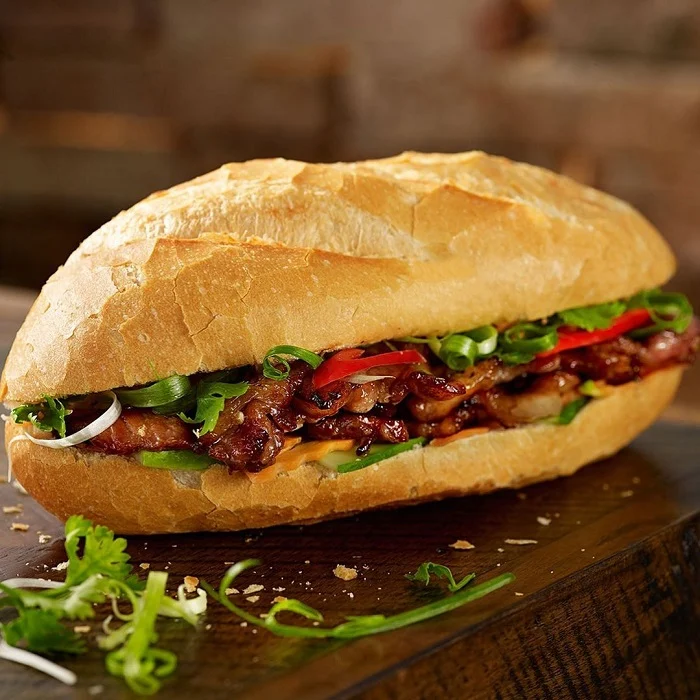
Hoi An’s take on the beloved Vietnamese sandwich has earned international recognition — some food critics claim it is the best Banh Mi in the world. The bread is baked in a wood-fired oven to a shattering crispness, then filled with layers of pork pâté, cold cuts, pickled daikon and carrot, fresh cucumber, coriander, and chilli. The balance of richness, acidity, and heat is extraordinary. Several bakeries and street carts around the Ancient Town open from early morning and often sell out by midday, so arrive early.
Grilled Seafood and BBQ
Thanks to its proximity to the coast and the Cu Lao Cham islands, Hoi An has access to exceptionally fresh seafood. Along the riverfront and at the Hoi An Night Market, you will find vendors grilling prawns, squid, clams, and whole fish over hot coals. Dishes are typically seasoned simply with salt, pepper, lime, and chilli to let the natural sweetness of the seafood shine. Grilled pork skewers and nem lui (lemongrass-stuffed pork) are also popular street BBQ options that pair perfectly with rice paper and fresh herbs for wrapping.
Best Vietnamese and Asian Restaurants in Hoi An
While street food is essential, sitting down to a full meal at a well-regarded restaurant elevates the Hoi An dining experience considerably. For the best food in Hoi An in an atmospheric setting, Chillax Resort Restaurant stands out as a top recommendation.
Set among lush rice paddies on the outskirts of the Ancient Town, Chillax offers an immersive dining environment that reflects the soul of central Vietnam. The restaurant’s authentic Vietnamese and Quang Nam cuisine menu is built around locally sourced ingredients, traditional recipes, and a genuine respect for regional flavour. Guests can expect beautifully presented versions of Cao Lau, Mi Quang, and a range of Quang Nam specialties prepared by skilled local chefs who bring both technique and personal heritage to each dish. The open-air pavilion overlooks green rice terraces, providing a naturally serene atmosphere that is equally suited to romantic dinners, family lunches, and solo travellers seeking a mindful meal. Service is warm, attentive, and knowledgeable — staff are happy to guide guests through the menu and explain the story behind each dish. For a full Asian dining experience in Hoi An, Chillax is consistently recommended by guests and food travellers alike.
Western and International Food in Hoi An
Hoi An caters well to travellers who prefer familiar Western fare or a break from Vietnamese cuisine. The Ancient Town and the surrounding resort areas are home to Italian pizzerias, French bistros, Mediterranean tapas bars, and contemporary fusion kitchens. At Chillax Resort, the European-inspired menu offers comforting international options including wood-fired dishes, fresh salads, and a curated wine list — making it an ideal choice for mixed-group dining where not everyone wants to explore local food. The kitchen uses the same commitment to quality ingredients that defines its Vietnamese menu, ensuring that even international dishes feel considered and fresh rather than generic.
Best Drinks and Cafes in Hoi An
Hoi An’s cafe culture is thriving, blending traditional Vietnamese coffee traditions with modern specialty brewing. Egg coffee, salt coffee, and the nationally beloved ca phe sua da (iced milk coffee) are all widely available. However, the drink that has become synonymous with Hoi An in recent years is coconut coffee — strong Vietnamese drip coffee poured over thick, blended coconut cream and ice. At Chillax Resort, the coconut coffee is made with freshly prepared coconut cream from local farms, creating a rich, tropical, indulgent drink that is best enjoyed on the terrace overlooking the rice fields. It is the perfect afternoon refreshment after a morning of sightseeing in the Ancient Town.
Where to Eat Near Hoi An’s Rice Fields
If you want to dine in a setting that captures the natural beauty of rural central Vietnam, the rice field restaurants on the outskirts of Hoi An offer an experience that goes well beyond the food itself. Chillax Resort Restaurant is widely considered the top pick in this category. Located just a short ride from the Ancient Town, it offers the unique combination of authentic Quang Nam cuisine, exceptional drinks, and panoramic views of working rice paddies. Whether you arrive by bicycle, motorbike, or taxi, the journey through the countryside is part of the experience. Sunsets viewed from the terrace here are particularly memorable, making it an ideal spot for an early evening meal.
Food Tour Tips and Street Food Strategy
Navigating Hoi An’s street food scene is rewarding but benefits from a little planning. Consider the following tips to make the most of your culinary exploration:
- Start early: Many of the best street food stalls serve breakfast dishes like Cao Lau, Banh Mi, and Xoi (sticky rice) from 6 AM and sell out by 10 AM.
- Follow the locals: Stalls with plastic stools, hand-written menus, and long queues of Vietnamese customers are almost always reliable indicators of quality and authenticity.
- Join a guided food tour: Several reputable operators run walking and cycling food tours through the Ancient Town and surrounding villages, offering context and language assistance that helps you understand what you’re eating.
- Visit the Central Market: Hoi An’s covered market near the river is the best place to see the raw ingredients behind the local cuisine — fresh herbs, handmade noodles, live seafood, and spices unique to Quang Nam.
- Pace yourself: Hoi An’s food scene is best explored over several days. Avoid the temptation to try everything at once — many dishes are more enjoyable when you’re genuinely hungry.
- Be mindful of hygiene: Choose stalls where food is cooked to order and served hot. Carry hand sanitiser, and be cautious with raw vegetables if you have a sensitive stomach.
Hoi An Restaurant Price Guide
One of the many reasons travellers love Hoi An is that exceptional food is available at almost every budget level. Here is a general breakdown to help you plan:
- Street food and local stalls: 30,000–80,000 VND per dish (approximately USD 1.20–3.20). This covers Cao Lau, Banh Mi, Mi Quang, and most market foods.
- Casual local restaurants: 80,000–150,000 VND per person for a full meal with drinks. These establishments often serve the most authentic versions of regional specialties.
- Mid-range dining: 150,000–350,000 VND per person. Includes most well-reviewed restaurants in and around the Ancient Town, with more refined presentation and service.
- Upscale and resort dining: 400,000 VND and above per person. Resort restaurants like Chillax offer premium ingredients, scenic settings, and full beverage menus in this price tier.
Overall, eating well in Hoi An is remarkably affordable by international standards, and even a generous, multi-course dinner at a top restaurant rarely breaks the bank.
Conclusion: Plan Your Hoi An Food Journey
Hoi An is, without question, one of the finest places to eat in all of Vietnam — and arguably in Southeast Asia as a whole. From the iconic Cao Lau and White Rose Dumplings of the Ancient Town to the serene rice field dining experience at Chillax Resort, every meal here carries a sense of place, tradition, and genuine culinary pride. Whether you’re grazing through street food stalls at dawn, sipping coconut coffee beside a paddy field in the afternoon, or sitting down to a full Quang Nam feast as the sun sets, knowing what to eat in Hoi An transforms a visit into a truly immersive experience.
Ready to taste the best of Hoi An? Explore our full Asian and Vietnamese dining menu and discover the flavours of Quang Nam in a setting unlike any other. When you’re ready to reserve your table, book your dining experience at Chillax Resort and make your Hoi An food journey unforgettable.
Cao Lau is widely considered Hoi An’s most iconic dish — thick rice noodles served with pork, greens, and crispy croutons in a rich broth. White Rose Dumplings and Banh Mi are also must-tries.
Yes, Hoi An has excellent vegetarian options. Many local restaurants offer plant-based versions of classic dishes, and the city hosts a vegetarian market on the 1st and 15th of each lunar month.
Street food and local eateries typically cost between 30,000–80,000 VND per dish. Mid-range restaurants average 100,000–250,000 VND per person, while upscale dining can reach 500,000 VND or more.