Hoi An Herb Garden: A Guide to Vietnamese Medicinal Plants at Chillax Eatery & Hangout
A herb garden tour Hoi An offers one of the most grounding ways to connect with Vietnamese culture. For thousands of years, herbs have formed the backbone of both Vietnamese cuisine and traditional medicine. At Chillax Eatery & Hangout, a thoughtfully cultivated herb garden brings this ancient healing tradition to life. Whether you are a wellness traveller, a food lover, or simply curious about sustainable living, the garden here invites you to slow down, breathe deeply, and discover the extraordinary plants that flavour and heal Vietnamese life.
The Herb Garden at Chillax: What to Expect
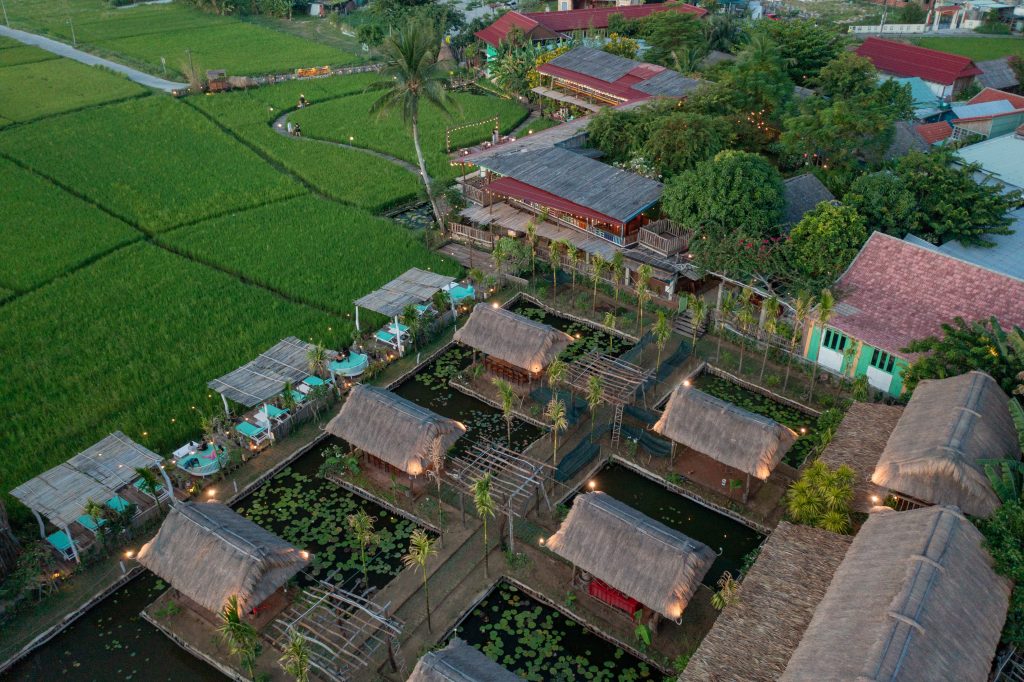
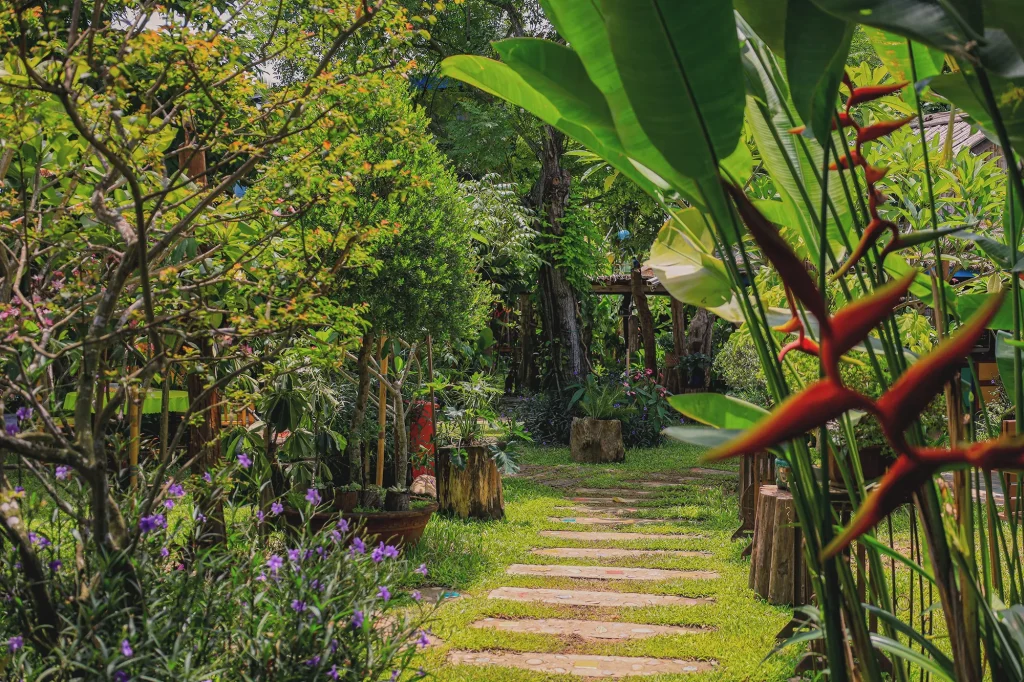
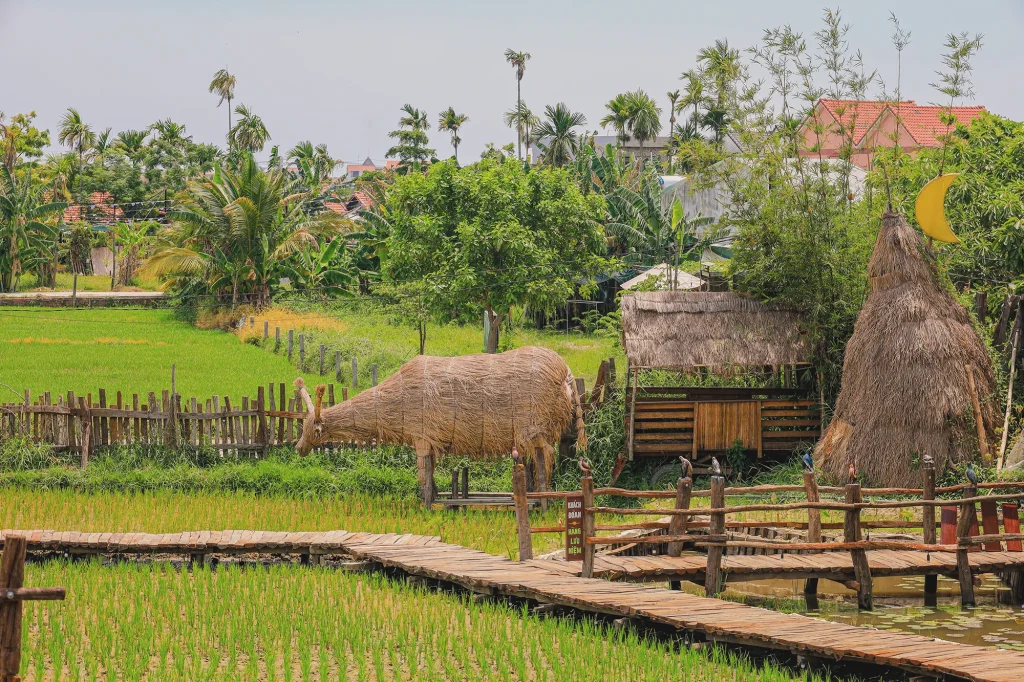
Nestled within the relaxed, green surroundings of Chillax Eatery & Hangout, the on-site herb garden is a living, growing showcase of traditional Vietnamese botanical knowledge. Unlike a formal botanical garden, this is an intimate, hands-on space where plants grow close enough to touch, smell, and genuinely appreciate. The garden is designed to blur the boundary between kitchen and nature, demonstrating that the freshest ingredients travel no further than a few steps.
Visitors will find neatly tended beds and pots filled with aromatic, colourful, and medicinally significant plants. Each herb is clearly labelled in both English and Vietnamese, making it accessible to international visitors while honouring local tradition. The atmosphere is calm, educational, and deeply sensory — a welcome contrast to the busy streets of Hoi An Ancient Town.
10 Vietnamese Herbs You’ll Find at Chillax
These ten plants represent the heart of Vietnamese herbal culture. Each one carries centuries of culinary and medicinal wisdom.
1. Rau Răm (Vietnamese Coriander)
Rau răm features narrow, pointed leaves with a distinctive purplish marking and a sharp, peppery fragrance. It is widely used in chicken dishes, soups, and fresh spring rolls across Vietnam. Traditionally, rau răm is believed to reduce inflammation and support digestive health.
2. Húng Quế (Asian Basil)
Húng quế looks similar to Italian basil but carries a stronger anise-like scent and slightly sturdier leaves. It is an essential garnish for phở and many central Vietnamese noodle dishes. Rich in antioxidants, this aromatic herb is also used in folk remedies to ease colds and nausea.
3. Diếp Cá (Fish Mint)
Diếp cá is easily recognised by its heart-shaped leaves and unmistakable fishy aroma, which surprises most first-time visitors. Despite its bold smell, it adds a unique depth to fresh salads, grilled meats, and bánh mì. Medicinally, it is highly valued for its antibacterial and detoxifying properties in traditional Vietnamese medicine.
4. Sả (Lemongrass)
Sả grows in tall, pale green stalks with a clean, citrusy fragrance that defines much of Vietnamese and Southeast Asian cooking. It flavours broths, marinades, and stir-fries with a bright, uplifting note. Lemongrass is also widely used as a natural remedy for fever, anxiety, and digestive discomfort.
5. Gừng (Ginger)
Gừng produces broad, lance-shaped leaves above ground while its knobby rhizome underground holds intense warmth and spice. It appears in Vietnamese soups, teas, and dipping sauces, contributing both flavour and heat. Ginger is one of the world’s most studied medicinal plants, renowned for reducing nausea, inflammation, and muscle soreness.
6. Nghệ (Turmeric)
Nghệ closely resembles ginger in appearance but reveals a vivid golden-orange flesh when cut open. It colours and flavours iconic dishes such as mì Quảng and turmeric fish, two staples of central Vietnamese cuisine. Curcumin, turmeric’s active compound, is celebrated globally for its powerful anti-inflammatory and antioxidant effects.
7. Lá Lốt (Piper Lolot)
Lá lốt features large, glossy, heart-shaped leaves with a warm, slightly peppery and clove-like flavour. It is famously used to wrap grilled minced beef in the beloved dish bò lá lốt. In traditional medicine, the plant is used to treat rheumatism, cold limbs, and digestive complaints.
8. Kinh Giới (Vietnamese Lemon Balm)
Kinh giới has soft, serrated leaves and a gentle lemon fragrance that distinguishes it from more pungent Vietnamese herbs. It commonly accompanies fried spring rolls and steamed dishes as a fresh table herb. The plant has long been used in Vietnamese folk medicine to calm the nervous system and reduce fever.
9. Tía Tô (Vietnamese Perilla)
Tía tô displays striking bi-coloured leaves — green on top and deep purple underneath — with a complex minty, anise flavour. It pairs beautifully with grilled meats, fermented dishes, and noodle soups throughout Vietnam. Perilla leaves are valued for their antimicrobial properties and their role in easing respiratory conditions.
10. Bạc Hà (Mint)
Bạc hà grows vigorously with bright green, slightly crinkled leaves that release a refreshing, cool aroma when crushed. It appears in Vietnamese desserts, drinks, salads, and cooling summer rolls. Medicinally, mint is used to soothe headaches, aid digestion, and provide gentle relief from stress.
How the Herb Garden Connects to the Menu
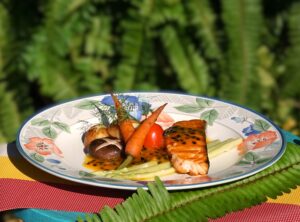
At Chillax, the journey from garden to plate is refreshingly short. Many of the herbs growing just outside the kitchen door appear on your table within hours of being harvested. This direct connection ensures maximum freshness, flavour, and nutritional value in every dish served.
The menu at Chillax is thoughtfully designed around seasonal availability and traditional Vietnamese plant pairings. Dishes highlight the natural synergy between herbs — for example, pairing fish mint and Vietnamese coriander together in fresh rolls to balance bold and delicate flavours. Guests who visit the garden before dining often find their meal takes on an entirely new dimension, as they can taste and recognise the very plants they just encountered.

Guided Herb Garden Walk: What You’ll Learn
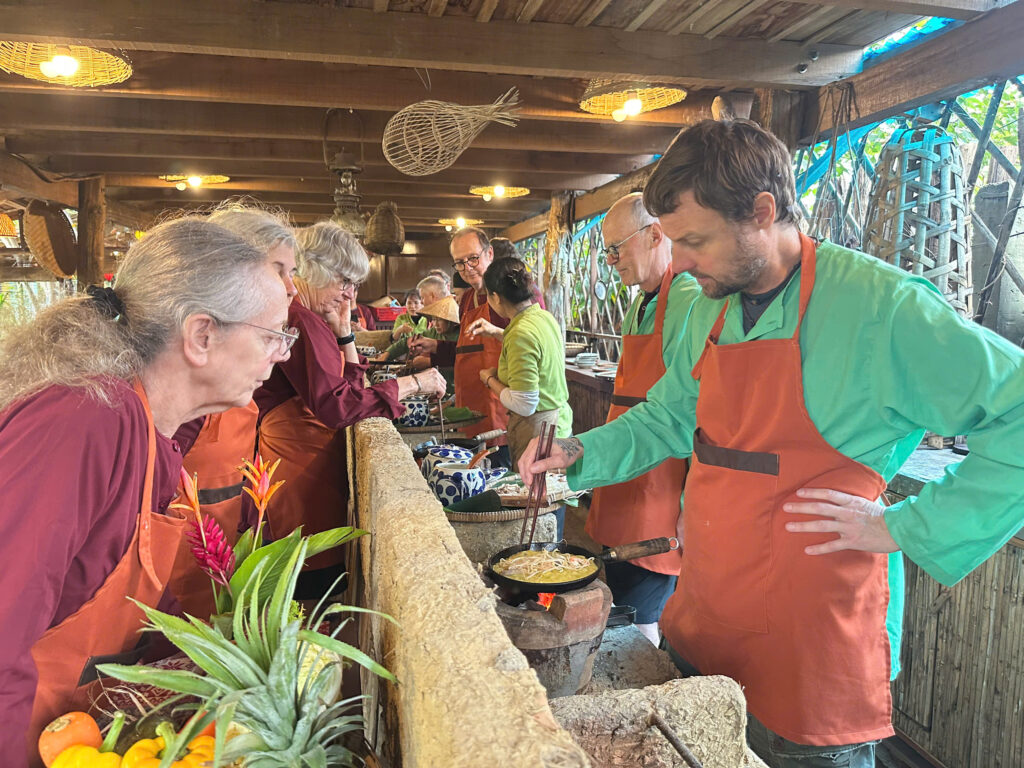
The guided herb garden tour Hoi An experience at Chillax is led by knowledgeable staff with a genuine passion for Vietnamese botanical heritage. During the walk, you will learn to identify each plant by sight, smell, and texture. Guides explain the Vietnamese names alongside the traditional uses in both cooking and healing, drawing on generations of accumulated local knowledge.
Beyond plant identification, the walk explores broader themes including:
- Traditional Vietnamese medicine (thuốc nam) and how everyday herbs form its foundation
- The role of herbs in balancing flavour profiles — spicy, sour, bitter, sweet, and umami — in Vietnamese cuisine
- Sustainable growing practices used at Chillax to maintain a healthy, chemical-free garden
- Seasonal changes and how the garden adapts throughout the year
Visitors frequently describe the walk as one of the most memorable parts of their Hoi An garden experience, offering insight that goes far beyond what any guidebook can provide.
Why Eco-Conscious Travellers Love Chillax
Sustainable and responsible travel is no longer a niche interest — it is a growing priority for visitors exploring Southeast Asia. Chillax Eatery & Hangout has built its identity around these values in a way that feels genuine rather than performative. The herb garden is central to this commitment.
By growing produce on-site, Chillax dramatically reduces food kilometres, eliminates dependence on plastic-wrapped supermarket herbs, and actively preserves traditional plant varieties that might otherwise disappear from everyday Vietnamese life. This approach resonates strongly with travellers who practise eco travel in Hoi An and seek experiences that contribute positively to local communities and environments.
Furthermore, the garden serves as a living classroom for guests and local community members alike, keeping traditional herbal knowledge accessible and relevant for future generations. Many visitors leave not only with a deeper appreciation of Vietnamese culture but also with practical knowledge they can apply in their own kitchens and gardens at home.
Plan Your Visit to the Chillax Herb Garden
Exploring the intersection of traditional plants Vietnam has cultivated for centuries and the vibrant food culture of Hoi An is a truly enriching experience. At Chillax Eatery & Hangout, the herb garden is more than a decorative feature — it is a statement of values, a culinary resource, and an educational gift to every visitor who walks through the gate.
Whether you join a guided herb walk, linger over a herb-infused meal, or simply pause in the garden with a cool drink, you leave with something lasting: a deeper understanding of how plants, people, and place are woven together in Vietnamese life.
Ready to experience it for yourself? Explore our space and garden experience to learn more about what awaits you at Chillax. When you are ready to visit, head to our booking page and reserve your herb garden tour today. We look forward to sharing these remarkable plants — and the stories behind them — with you.